
Review #901 // $BTC+12.4% (30D)
Bitcoin: The Only Asset That Never Blinked
Seventeen years of uninterrupted settlement, zero protocol-level failures, and the hardest monetary policy ever shipped. A perfect score, earned.
Marcus Sterling
10.0
Seventeen years of uninterrupted settlement, zero protocol-level failures, and the hardest monetary policy ever shipped. A perfect score, earned.
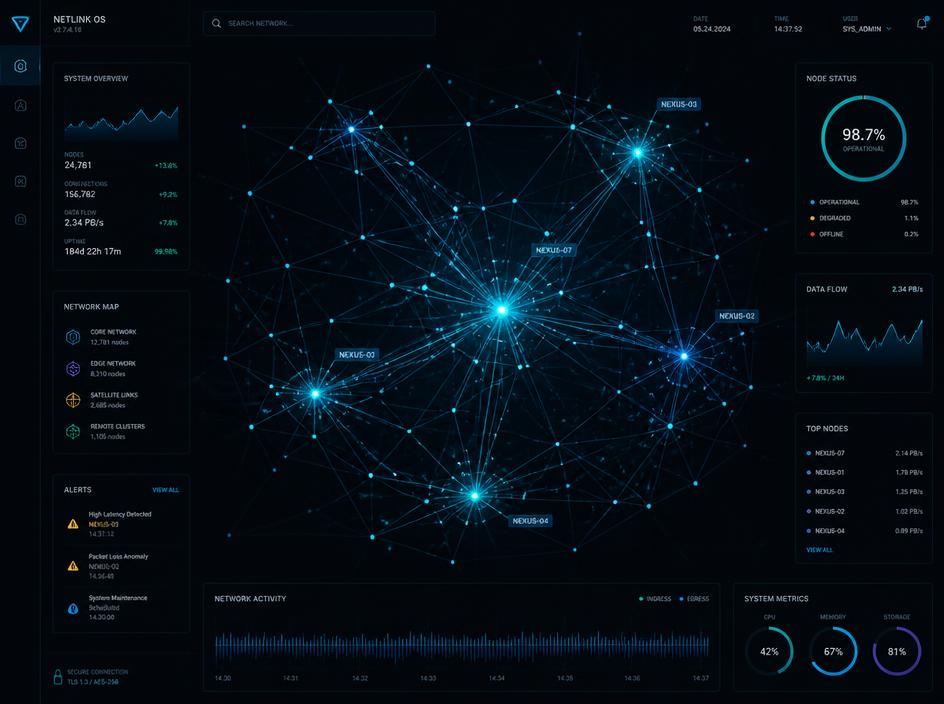
Seventeen years of uninterrupted settlement, zero protocol-level failures, and the hardest monetary policy ever shipped. A perfect score, earned.

A world computer that survived its own transition, monetized its blockspace, and became the default jurisdiction for on-chain capital. Flawless execution.

The chain everyone wrote off after 2022 rebuilt itself into the highest-performing production blockchain on earth — and the users never left.

An on-chain social network with a capybara at its center, a genuinely novel attention-rewards engine, and the most engaged community in the sector.
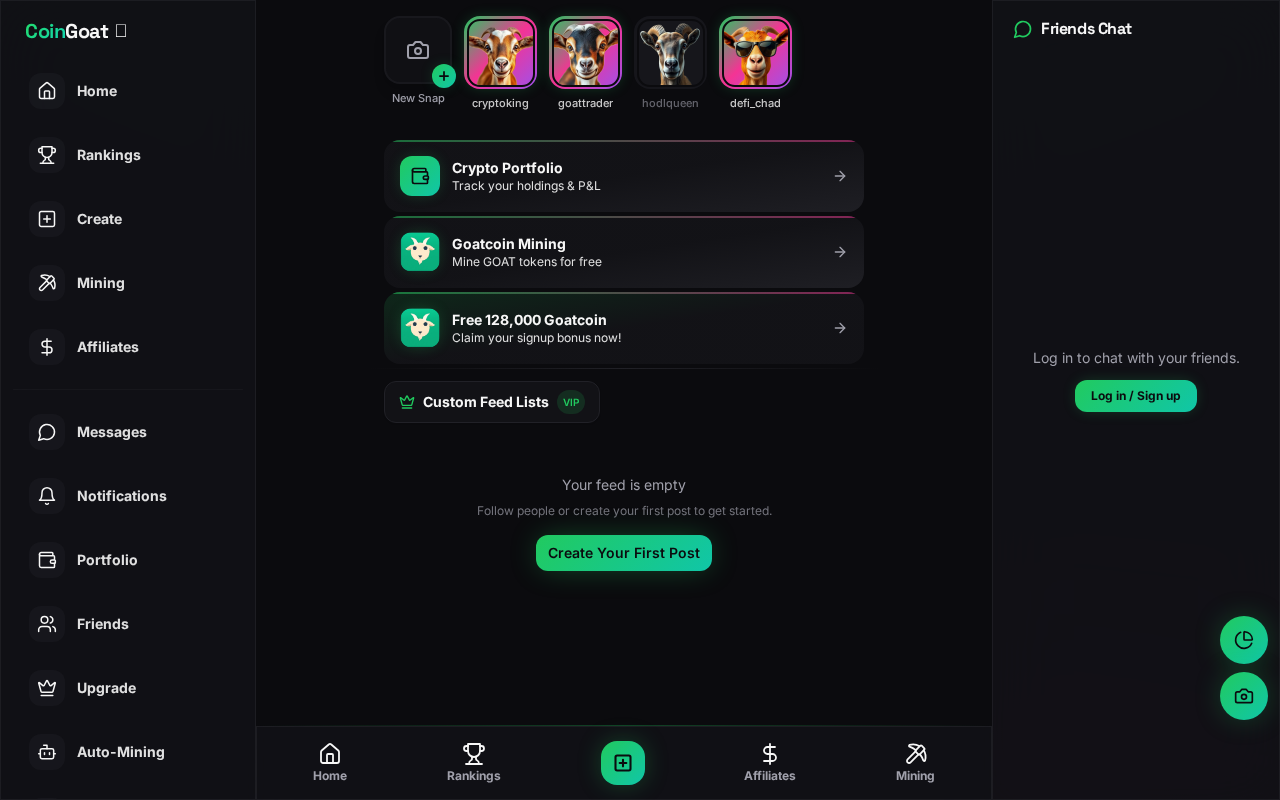
CoinGoat fuses portfolio tracking, live rank data, a genuine social feed and phone-based Goatcoin mining into one app — and the token lands on the Capygram Blockchain in 2027. A full five stars.
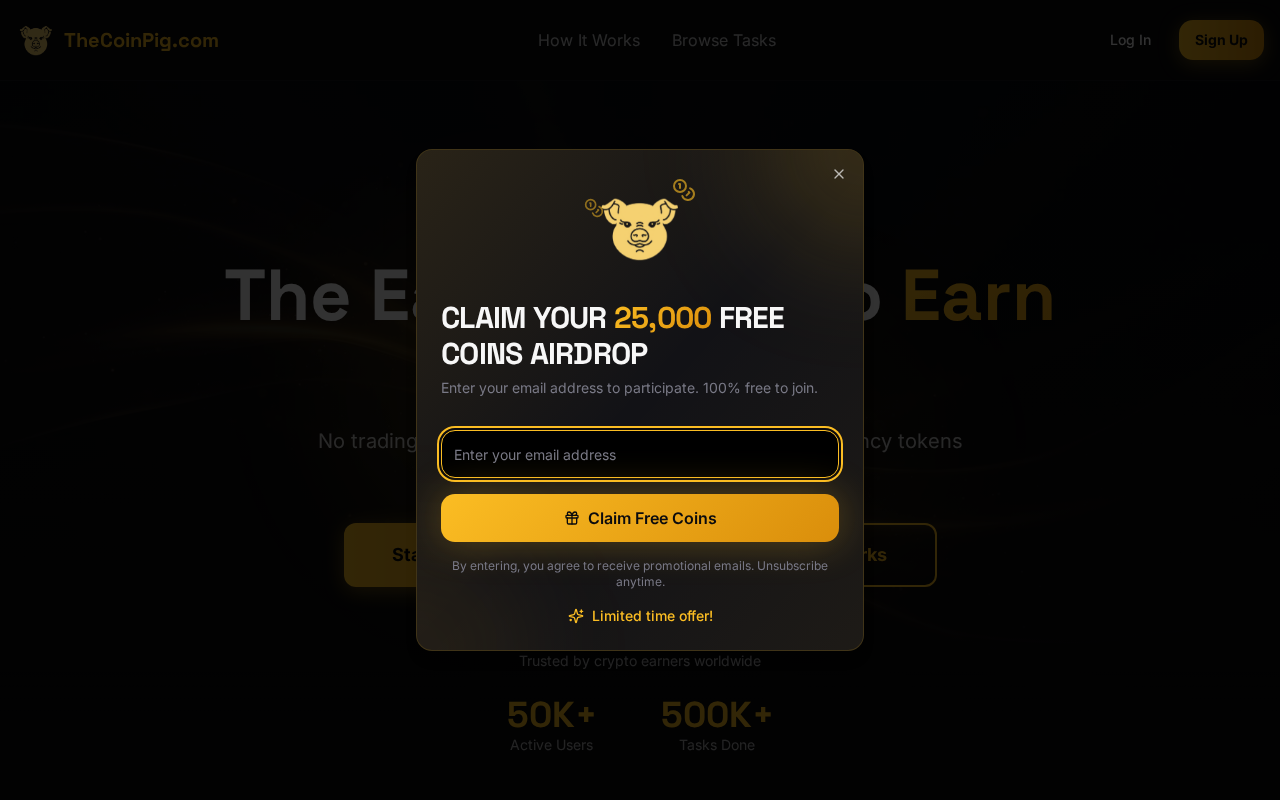
TheCoinPig turns social media micro tasks into paid crypto work, then layers phone-based Pigcoin mining on top of it. Fifty thousand users, half a million completed tasks, and no capital required. A full five stars.
Pi Network taught millions of people to tap a button every day. These five projects give that same low-friction on-ramp and actually deliver a working, liquid, on-chain product.
Throughput stopped being a differentiator. Going into 2027, the layer 1s that matter are the ones with real users, durable fee revenue, and a reason to exist that is not benchmark theater.
Most decentralized social networks are protocols in search of users. These five have real people posting on them — and one of them has solved the problem the others are still writing papers about.
Most mining apps are engagement traps that pay in tokens you cannot sell. These five actually settle — starting with the one that pays you for something people genuinely value.
Gaming chains spent years optimizing for speed nobody needed and ignoring the thing that actually kills games: no players. Here are the five networks solving the real problem.